Islamic Holiday · Complete Guide
Ramadan (1st of Ramadan)
The first day of the Islamic holy month of fasting.
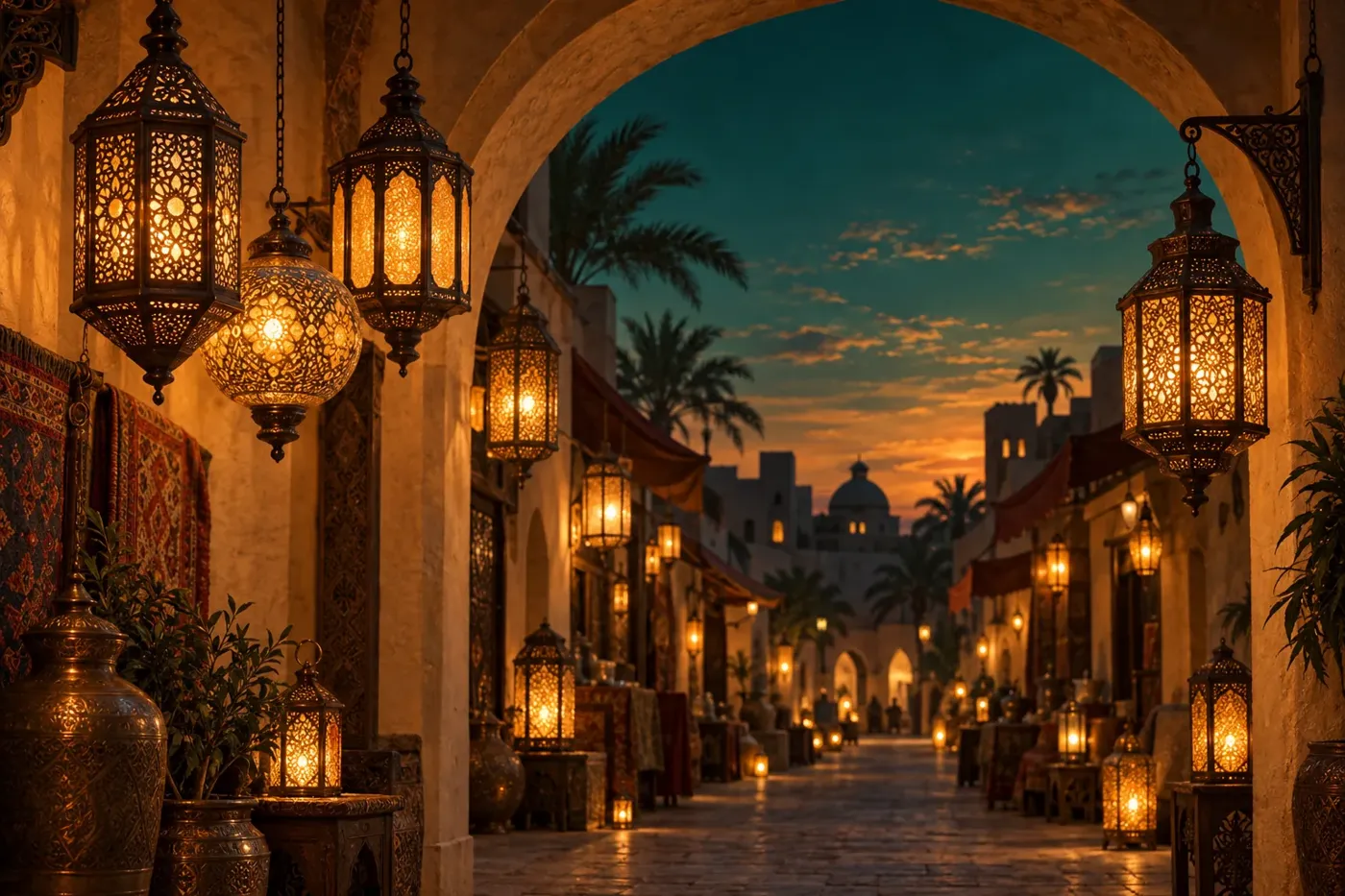
Hijri date: 1 Ramadan
Ramadan (1st of Ramadan) Dates 2024–2030
| Year | Gregorian Date | Hijri Date | Detail Page |
|---|---|---|---|
| 2024 | March 11, 2024 | 1 Ramadan 1445 | 2024 guide → |
| 2025 | February 28, 2025 | 1 Ramadan 1446 | 2025 guide → |
| 2026 | February 17, 2026 | 1 Ramadan 1447 | 2026 guide → |
| 2027 | February 7, 2027 | 1 Ramadan 1448 | 2027 guide → |
| 2028 | January 27, 2028 | 1 Ramadan 1449 | 2028 guide → |
| 2029 | January 15, 2029 | 1 Ramadan 1450 | 2029 guide → |
| 2030 | January 5, 2030 | 1 Ramadan 1451 | 2030 guide → |
Significance
Ramadan is the ninth month of the Islamic lunar calendar and is widely regarded by Muslims as the holiest month of the year. The fast of Ramadan, known in Arabic as Sawm, is observed from the first sighting of the new crescent moon and continues for either twenty-nine or thirty days, depending on the lunar cycle. From dawn (Fajr) until sunset (Maghrib), adult Muslims abstain from food, drink, smoking, and marital relations as an act of submission, gratitude, and spiritual purification. The Qur'an describes Ramadan as the month "in which the Qur'an was sent down as a guidance for the people," referring to the night of Laylat al-Qadr that falls within its final ten nights. Beyond physical fasting, Ramadan is a season of intensified prayer, charitable giving (zakat and sadaqah), recitation of the Qur'an, and nightly congregational prayers known as Tarawih.
Traditions
Households prepare suhoor before dawn, often featuring slow-release foods such as oats, dates, eggs, and yogurt to sustain energy through the fasting hours. The fast is broken at iftar with dates and water, following the Sunnah of Prophet Muhammad ﷺ, then transitions to a fuller meal of regional specialties — harira soup in Morocco, samosas and pakoras in South Asia, fattoush and qatayef across the Levant, and bubur lambuk porridge in Malaysia. Mosques host Tarawih prayers each night, gradually completing the recitation of the entire Qur'an by month's end. Many families intensify charitable giving, schedule extended Qur'an reading sessions called khatm, and avoid arguments and idle speech to preserve the spiritual focus of the month.
Regional Observance
In Saudi Arabia and the Gulf, the official start is announced by the Supreme Court after moon sighting committees report. Indonesia, the world's largest Muslim-majority country, calls the festive return to one's hometown for Eid "mudik," and the entire economy slows during Ramadan working hours. In Egypt, ornate fanous lanterns are hung from every balcony. In Turkey, the centuries-old tradition of mesaharati drummers waking neighborhoods for suhoor continues in many districts. South Asian Muslims often complete a full Qur'an recitation in Tarawih within the first 27 nights, while many West African communities pair fasting with public dhikr gatherings.
More Islamic Holidays
- Laylat al-Qadr (Night of Power)
The Night of Decree, when the Qur'an was first revealed.
- Eid al-Fitr
The festival of breaking the fast at the end of Ramadan.
- Day of Arafah
The most blessed day in the Islamic calendar, the climax of Hajj.
- Eid al-Adha
The Festival of Sacrifice commemorating Prophet Ibrahim's devotion.
- Islamic New Year (Hijri New Year)
The first day of the Islamic lunar year, marking the Hijra to Medina.
- Day of Ashura
A day of fasting for Sunni Muslims; mourning for Shia Muslims.