Islamic Holiday · Complete Guide
Eid al-Adha
The Festival of Sacrifice commemorating Prophet Ibrahim's devotion.
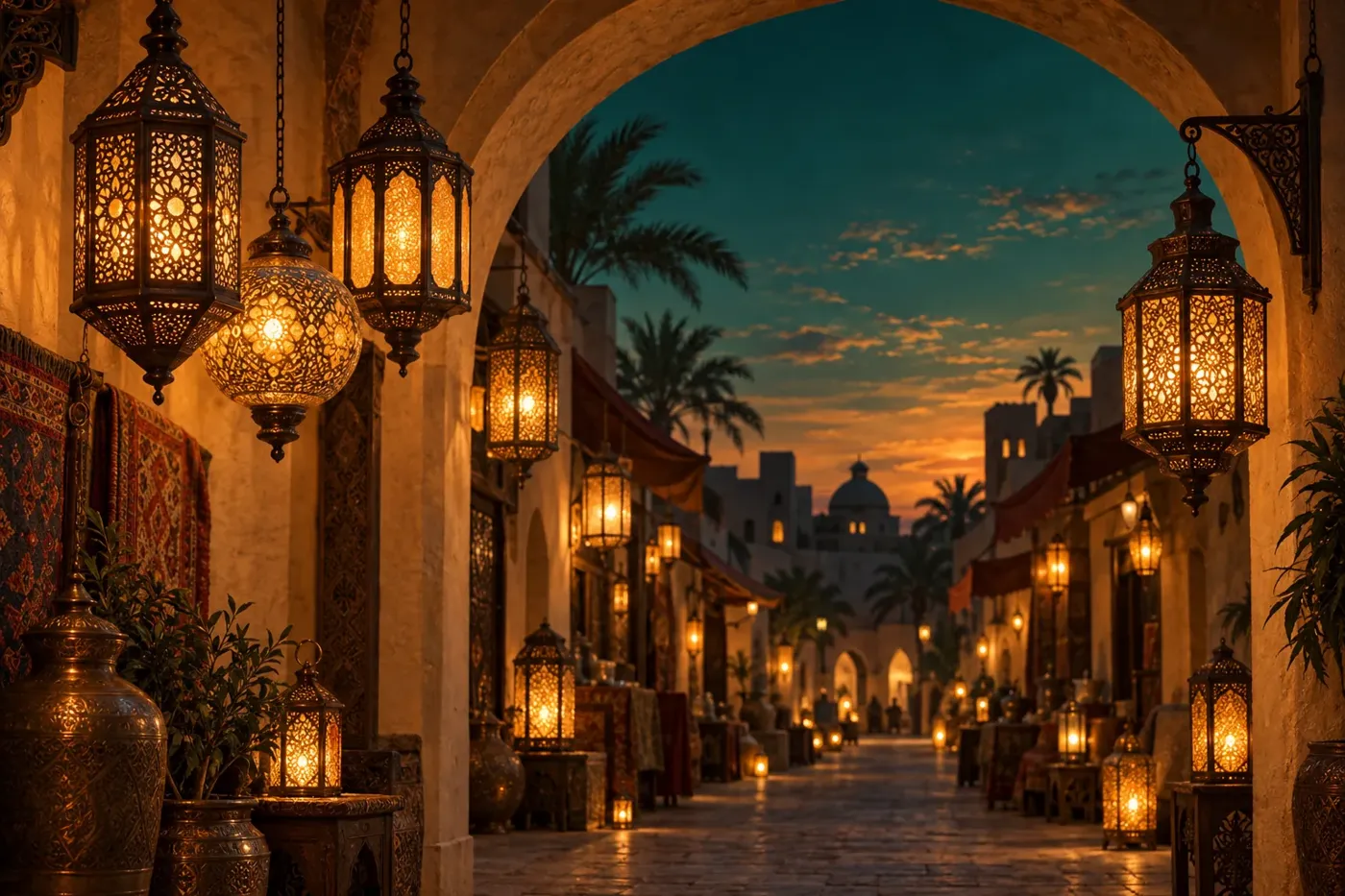
Hijri date: 10 Dhul Hijjah
Eid al-Adha Dates 2024–2030
| Year | Gregorian Date | Hijri Date | Detail Page |
|---|---|---|---|
| 2024 | June 16, 2024 | 10 Dhul Hijjah 1445 | 2024 guide → |
| 2025 | June 6, 2025 | 10 Dhul Hijjah 1446 | 2025 guide → |
| 2026 | May 26, 2026 | 10 Dhul Hijjah 1447 | 2026 guide → |
| 2027 | May 16, 2027 | 10 Dhul Hijjah 1448 | 2027 guide → |
| 2028 | May 4, 2028 | 10 Dhul Hijjah 1449 | 2028 guide → |
| 2029 | April 23, 2029 | 10 Dhul Hijjah 1450 | 2029 guide → |
| 2030 | April 13, 2030 | 10 Dhul Hijjah 1451 | 2030 guide → |
Significance
Eid al-Adha — the Festival of Sacrifice — is the second of the two canonical Islamic festivals and one of the most theologically significant occasions in the Muslim calendar. It commemorates the willingness of the Prophet Ibrahim (Abraham) to sacrifice his son Isma'il (Ishmael) in obedience to a divine command, and the merciful substitution of a ram by Allah at the moment of submission. The festival begins on the tenth day of Dhul Hijjah, immediately after the Day of Arafah and the climax of the Hajj pilgrimage, and continues through the three days of Tashreeq. It is observed with the Sunnah of Qurbani — the ritual sacrifice of a sheep, goat, cow, camel, or buffalo — followed by the distribution of one third of the meat to the family, one third to relatives and friends, and one third to the poor.
Traditions
The morning begins with Salat al-Eid in two rakats with extra takbirs, performed at an open musalla or large mosque, followed by a khutbah explaining the rites of sacrifice. After prayer, families perform Qurbani — either personally or through commissioned slaughter at certified abattoirs — and butchers across Muslim-majority countries work day and night to process the offerings. Festive meals feature lamb biryani, mansaf, kebabs, korma, koftas, mechoui, and brik. Children wear new outfits and receive Eidi from elders, and homes are opened to a steady flow of visitors offering Eid greetings. Many families also visit the graves of relatives, recite Surah Yasin, and distribute additional charity in their memory.
Regional Observance
In Saudi Arabia, the day is the climax of Hajj when over two million pilgrims perform the rami al-jamarat stoning ritual at Mina. Pakistani, Bangladeshi, Indian, and Indonesian Muslims slaughter tens of millions of livestock collectively, with cooperative purchase programs allowing families to share a single cow. Turkish Kurban Bayramı features four days of public holiday and a national tradition of wearing freshly tailored garments. West African Tabaski celebrations include grand parades and the ritual exchange of meat between neighbors. In Western diaspora communities, halal abattoirs require advance bookings months in advance, and large public Eid prayers are held in stadiums and city parks.
More Islamic Holidays
- Ramadan (1st of Ramadan)
The first day of the Islamic holy month of fasting.
- Laylat al-Qadr (Night of Power)
The Night of Decree, when the Qur'an was first revealed.
- Eid al-Fitr
The festival of breaking the fast at the end of Ramadan.
- Day of Arafah
The most blessed day in the Islamic calendar, the climax of Hajj.
- Islamic New Year (Hijri New Year)
The first day of the Islamic lunar year, marking the Hijra to Medina.
- Day of Ashura
A day of fasting for Sunni Muslims; mourning for Shia Muslims.