Islamic Holiday · Complete Guide
Islamic New Year (Hijri New Year)
The first day of the Islamic lunar year, marking the Hijra to Medina.
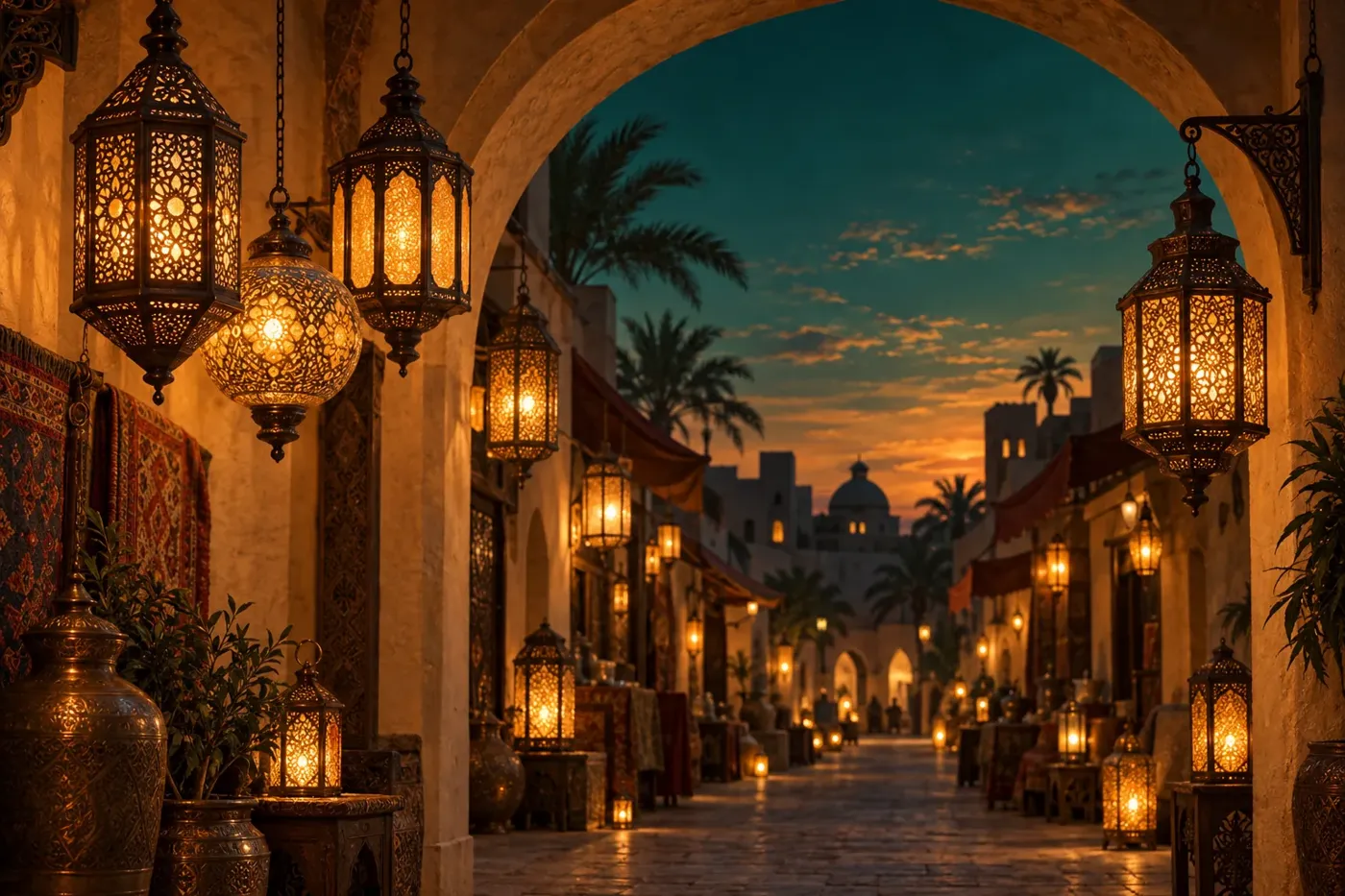
Hijri date: 1 Muharram
Islamic New Year (Hijri New Year) Dates 2024–2030
| Year | Gregorian Date | Hijri Date | Detail Page |
|---|---|---|---|
| 2024 | July 7, 2024 | 1 Muharram 1446 | 2024 guide → |
| 2025 | June 26, 2025 | 1 Muharram 1447 | 2025 guide → |
| 2026 | June 16, 2026 | 1 Muharram 1448 | 2026 guide → |
| 2027 | June 6, 2027 | 1 Muharram 1449 | 2027 guide → |
| 2028 | May 25, 2028 | 1 Muharram 1450 | 2028 guide → |
| 2029 | May 14, 2029 | 1 Muharram 1451 | 2029 guide → |
| 2030 | May 4, 2030 | 1 Muharram 1452 | 2030 guide → |
Significance
The Islamic New Year, also called Ras as-Sanah al-Hijriyah, falls on the first day of Muharram — the first month of the Islamic lunar calendar. It marks the anniversary of the Hijra, the migration of the Prophet Muhammad ﷺ and his companions from Mecca to Medina in 622 CE, an event so transformative that the second caliph Umar ibn al-Khattab established it as the starting point of the Islamic dating system in 638 CE. Unlike the Gregorian New Year, the Islamic New Year is observed with quiet reflection rather than celebration. Muharram is one of the four sacred months explicitly mentioned in the Qur'an in which warfare is traditionally prohibited and good deeds are multiplied in reward.
Traditions
Sunni Muslim communities mark the day with dua and reflection on the Hijra, often visiting mosques for short lectures on the lessons of the migration. Many families read accounts of the Prophet's journey with Abu Bakr through the desert, the night spent in the cave of Thawr, and the welcoming reception in Medina. Voluntary fasting is recommended throughout Muharram, with particularly heightened reward attributed to the fast of Ashura on the tenth day. Some communities issue formal Hijri calendars, refresh charitable pledges, and renew commitments to the Five Pillars.
Regional Observance
In Iran, Iraq, Lebanon, and Bahrain, Shia communities begin the Muharram majalis — gatherings of mourning that lead to Ashura on the tenth day. Indonesian and Malaysian villages hold quiet remembrance evenings sometimes accompanied by Sufi-style dhikr circles. In Egypt and the Levant, special breads and fruit baskets are distributed to neighbors. Saudi Arabia and the United Arab Emirates observe Muharram 1 as a public holiday with no festivities to maintain its solemn character. South Asian Muslims often hold Khatm al-Qur'an readings dedicated to the souls of the early companions of the Prophet.
More Islamic Holidays
- Ramadan (1st of Ramadan)
The first day of the Islamic holy month of fasting.
- Laylat al-Qadr (Night of Power)
The Night of Decree, when the Qur'an was first revealed.
- Eid al-Fitr
The festival of breaking the fast at the end of Ramadan.
- Day of Arafah
The most blessed day in the Islamic calendar, the climax of Hajj.
- Eid al-Adha
The Festival of Sacrifice commemorating Prophet Ibrahim's devotion.
- Day of Ashura
A day of fasting for Sunni Muslims; mourning for Shia Muslims.