Islamic Holiday · 2030 · All Years Guide
Eid al-Fitr 2030
The festival of breaking the fast at the end of Ramadan.
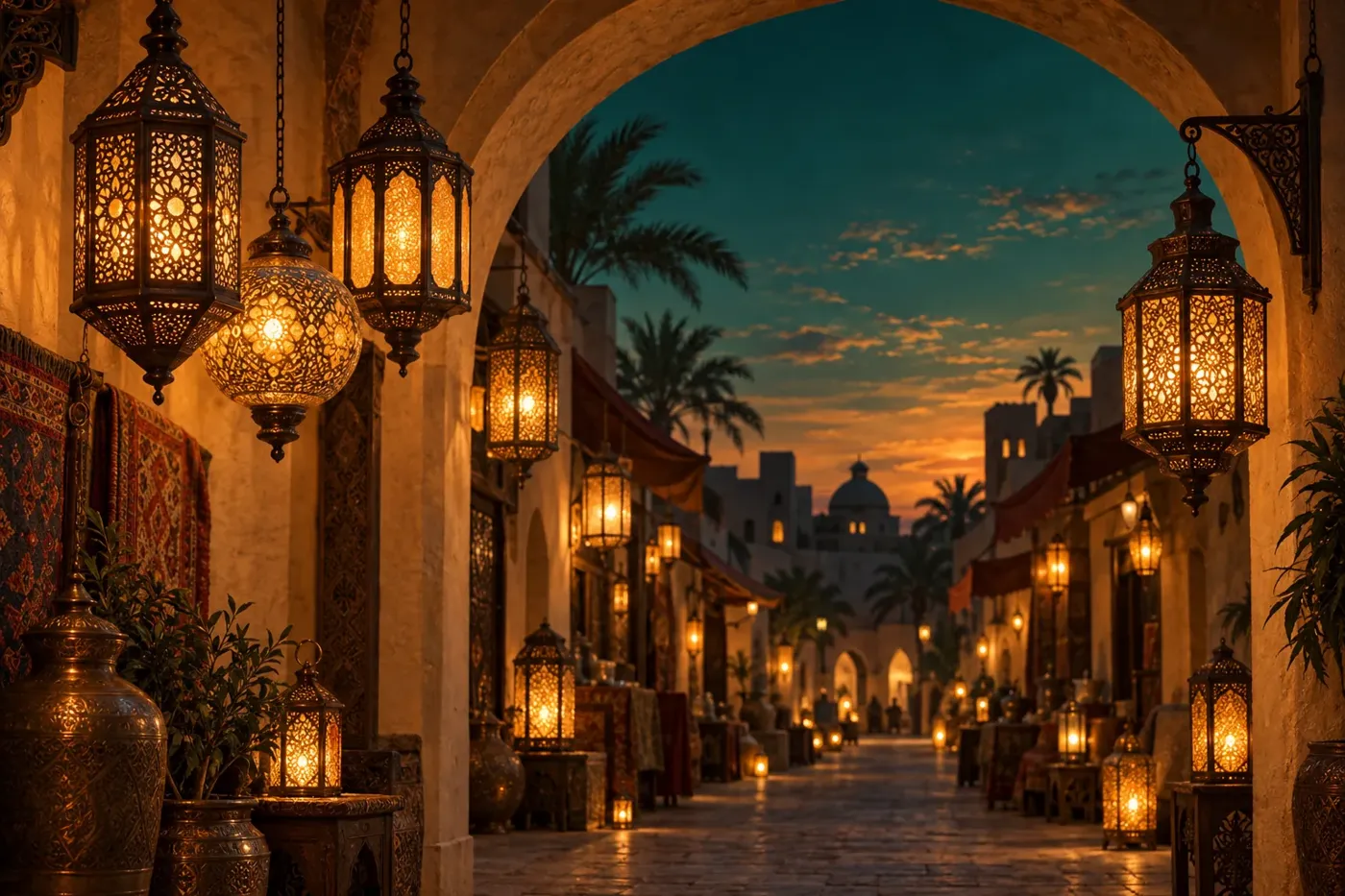
In 2030, Eid al-Fitr falls on Monday, February 4, 2030, corresponding to 1 Shawwal 1451 in the Islamic Hijri calendar. The exact start may shift by one day in either direction based on regional moon-sighting committee announcements — countries that follow the Saudi Umm al-Qura calculation typically align with the date listed here, while South Asian moon-sighting traditions occasionally observe the festival one day later.
Significance of Eid al-Fitr
Eid al-Fitr, literally the "Festival of Breaking the Fast," marks the conclusion of Ramadan's month-long dawn-to-sunset fast and the beginning of the Islamic month of Shawwal. It is one of the two major canonical festivals of Islam, instituted by the Prophet Muhammad ﷺ during the second year of the Hijra in Medina to replace the pre-Islamic Arab festivals of Nawruz and Mihrajan. The day begins with the obligatory payment of Zakat al-Fitr — a measured donation of staple food per family member made before the Eid prayer — ensuring that even the poorest can participate in the celebration. Eid is a public holiday in most Muslim-majority nations and an officially recognized holiday in dozens of others.
Traditions and Observances
The morning starts with a ritual ghusl bath, the donning of new or finest clothes, and a light breakfast — traditionally an odd number of dates, in keeping with Prophetic example — before the congregational Eid prayer at an open prayer ground (musalla) or large mosque. The two-rakat Salat al-Eid features additional takbirs and a sermon (khutbah). Greetings of "Eid Mubarak" or "Eid Sa'id" are exchanged with hugs, while children receive Eidi — gifts of cash or sweets — from elders. Lavish family feasts feature regional specialties: ma'amoul cookies in the Levant, sheer khurma vermicelli pudding across South Asia, lapis legit layered cake in Indonesia, kahk shortbread in Egypt, and tagine lamb across North Africa. Visits to extended family and the graves of departed loved ones are common throughout the day.
Eid al-Fitr 2030 — At a Glance
If you are planning travel, scheduling community events, requesting time off work, or simply marking your family calendar for 2030, the table below summarises every key detail for Eid al-Fitr this year, alongside the surrounding observances on either side of the festival in the Hijri calendar.
| Detail | 2030 |
|---|---|
| Gregorian date | February 4, 2030 |
| Day of week | Monday |
| Hijri date | 1 Shawwal 1451 |
| Tradition | Islam (Sunni & Shia observance noted where they differ) |
Regional Observance
In Indonesia and Malaysia, the festival is known as Hari Raya Idul Fitri or Hari Raya Aidilfitri and centers on mudik or balik kampung — the mass return to one's hometown. Saudi Arabian Eid features festivals at heritage venues and traditional ardah sword dances. Egyptian children fly kites and ride decorated horses through neighborhood streets. Turkish Eid, called Ramazan Bayramı, includes formal visits to elders to kiss their right hand and place it to one's forehead. In the United States and the United Kingdom, large public Eid celebrations have grown at venues such as Trafalgar Square and Texas's AT&T Stadium, signaling the festival's global reach.
Eid al-Fitr Across the Years 2024–2030
The Islamic Hijri calendar is a purely lunar calendar of approximately 354 days, so its observances drift forward by roughly 10–11 days each Gregorian year. The Hindu lunar calendar uses periodic intercalary months (adhik maas) that keep festivals broadly anchored to the seasons. The table below shows the Gregorian date of Eid al-Fitr across every year Festive Dates covers, allowing you to plan multi-year commemorations, anniversaries, or research at a glance.
| Year | Gregorian date | Hijri date | Day |
|---|---|---|---|
| 2024 | April 10, 2024 | 1 Shawwal 1445 | Wednesday |
| 2025 | March 30, 2025 | 1 Shawwal 1446 | Sunday |
| 2026 | March 20, 2026 | 1 Shawwal 1447 | Friday |
| 2027 | March 9, 2027 | 1 Shawwal 1448 | Tuesday |
| 2028 | February 26, 2028 | 1 Shawwal 1449 | Saturday |
| 2029 | February 14, 2029 | 1 Shawwal 1450 | Wednesday |
| 2030 | February 4, 2030 | 1 Shawwal 1451 | Monday |
How Festive Dates calculates Eid al-Fitr 2030
Our Hijri-to-Gregorian conversions follow the calculation methodology used by the Aladhan Islamic Calendar API, which itself draws from the Umm al-Qura calendar of Saudi Arabia for religious observances. For festivals tied to lunar crescent observation — particularly the start of Ramadan, Eid al-Fitr, Eid al-Adha, and Hijri New Year — the actual observed date in any given country may differ by one day based on local moon-sighting committee determinations. We list the most widely observed Sunni date here; Shia communities typically follow Ja'fari calculation methodology that may differ by a day. Always confirm with your local masjid or central religious authority before finalising community plans.
Other Years
- Eid al-Fitr 2024 Apr 10, 2024
- Eid al-Fitr 2025 Mar 30, 2025
- Eid al-Fitr 2026 Mar 20, 2026
- Eid al-Fitr 2027 Mar 9, 2027
- Eid al-Fitr 2028 Feb 26, 2028
- Eid al-Fitr 2029 Feb 14, 2029