Religious Tradition
Vaishnava & Shaiva Hindu Traditions
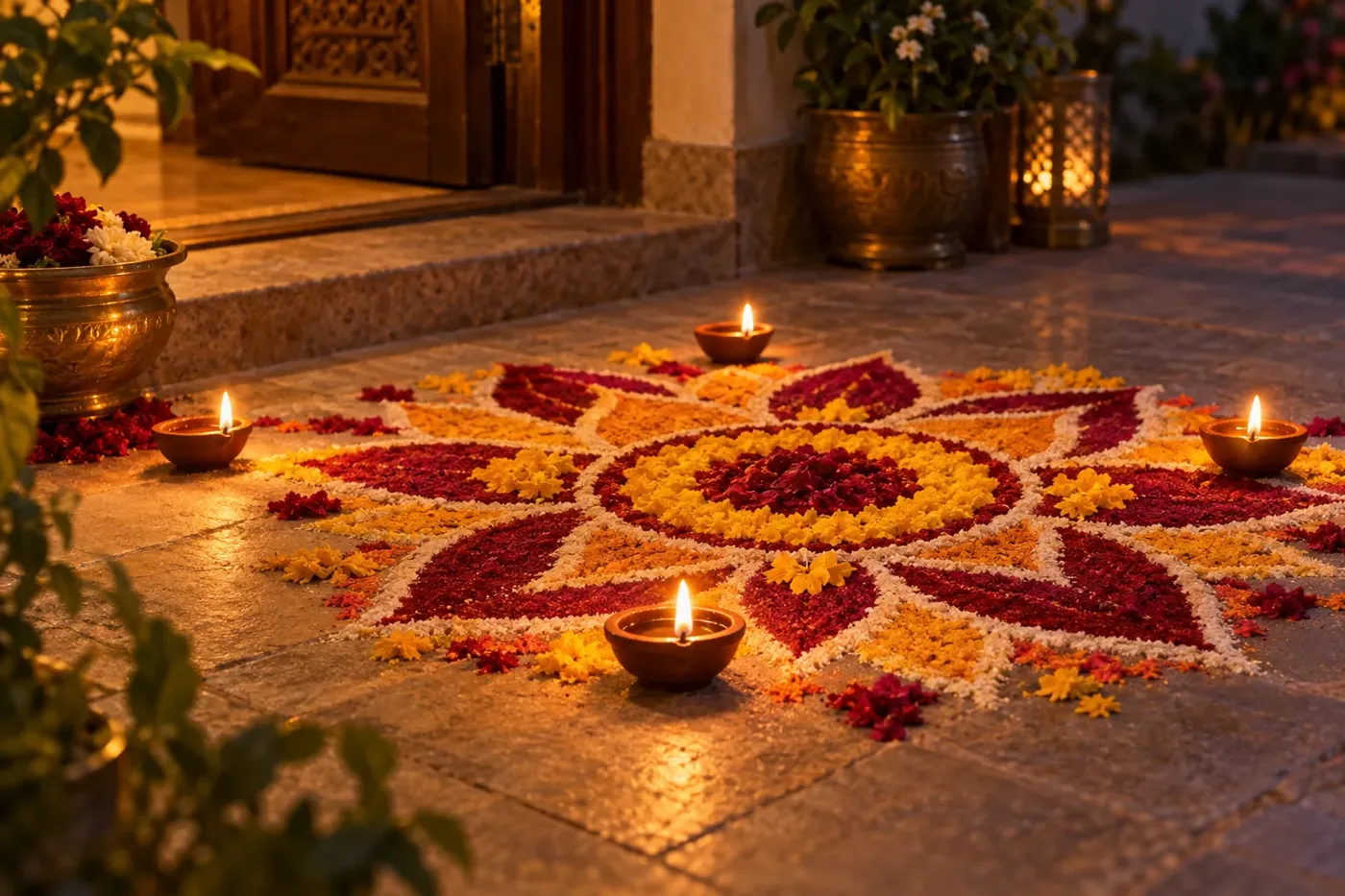
Hindu religious practice is broadly organized around two major theological traditions — Vaishnavism (centered on Vishnu and his avatars including Rama and Krishna) and Shaivism (centered on Shiva and his family including Ganesha, Kartikeya, and the Devi). A third major tradition, Shaktism, centers on the Goddess in her various forms and is practiced widely alongside Vaishnavism and Shaivism. The two major traditions share most calendar festivals but emphasize different observances. Vaishnava-aligned festivals include Krishna Janmashtami (the birth of Lord Krishna), Ram Navami (the birth of Lord Rama), the Jagannath Rath Yatra, Vaikuntha Ekadashi, the Mokshada Ekadashi observed as Gita Jayanti, and the Holi celebrations centered on Krishna's playful love with Radha in the Braj region. Shaiva-aligned festivals include Maha Shivaratri (the great night of Shiva), Shravana Mondays of intensive Shiva worship, Ganesh Chaturthi (the birth of Lord Ganesha), Kartikeya Skanda Sashti, and the Ardra Darshan in southern India. Shakta-aligned festivals include the Sharad Navratri and Chaitra Navratri devoted to Durga, the Durga Puja of Bengal, Kali Puja on the Diwali new moon, the Ambubachi Mela at the Kamakhya Devi Temple in Assam, and the Lalita Panchami of the bright fortnight of Ashwin. Most Hindu families observe festivals from all three traditions, viewing them as complementary rather than exclusive.
Other Traditions
Browse all Islamic festivals or all Hindu festivals.